
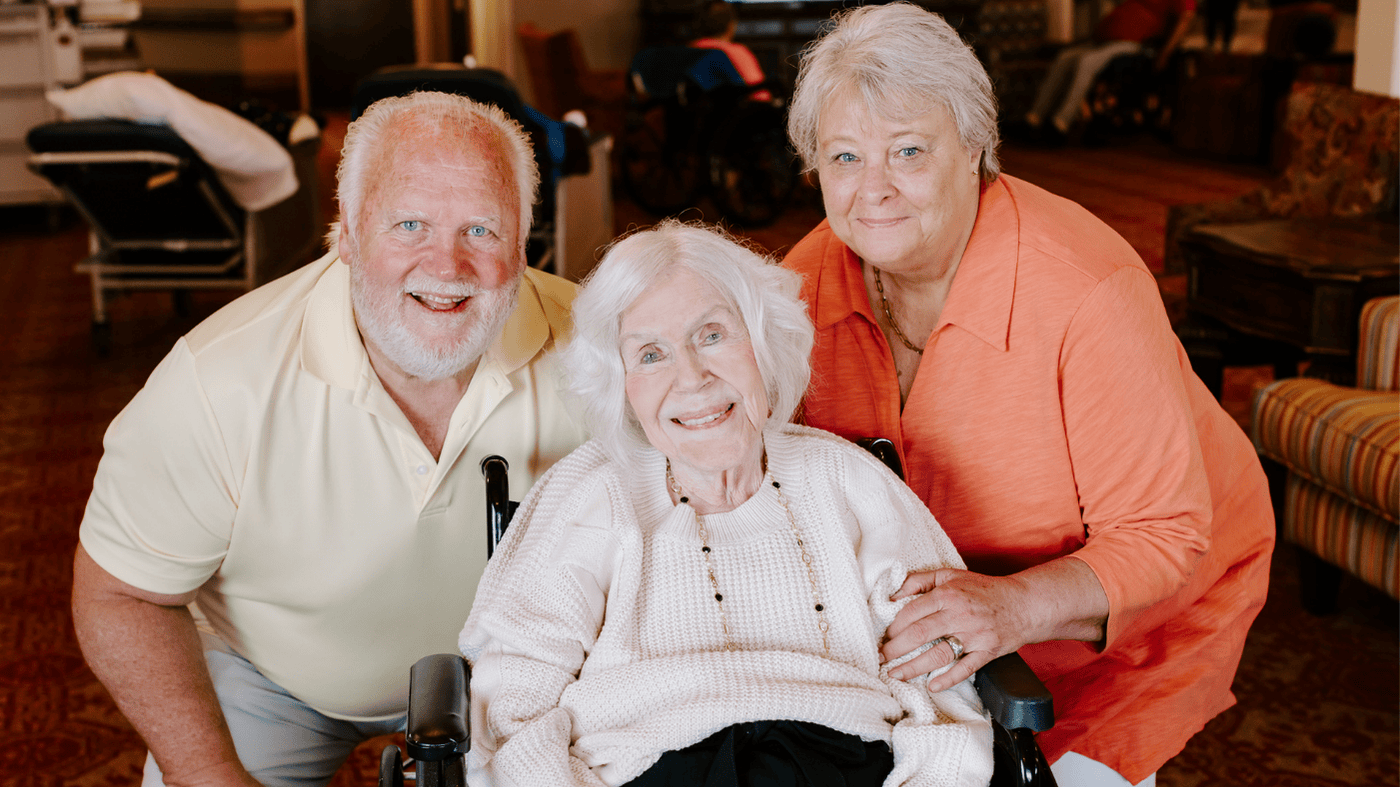

Creating a true sense of home is one of the most important aspects of quality long-term care. For many residents, transitioning into a care community can feel like a major life change. That’s why fostering comfort, familiarity, and belonging is essential—not just for emotional well-being, but for overall health and quality of life.
A home-like environment goes beyond décor and furnishings. It includes personalized living spaces, meaningful routines, and strong relationships with caregivers and fellow residents. Encouraging residents to bring personal items such as family photos, favorite blankets, or cherished keepsakes can help maintain a sense of identity and connection to their past.
Equally important is the role of staff in creating this environment. Compassionate, consistent caregivers build trust and provide stability. When residents feel known, respected, and valued, their comfort naturally increases. Simple interactions—remembering a resident’s favorite meal or taking time for conversation—can make a meaningful difference.
Social engagement also contributes to a home-like atmosphere. Group activities, shared meals, and community events encourage friendships and help residents feel part of something larger. Family involvement is another key factor. Regular visits and open communication strengthen emotional connections and provide reassurance.
Ultimately, long-term care should feel like an extension of home rather than a replacement. By focusing on personalization, relationships, and comfort, communities can create an environment where residents feel secure, supported, and truly at home.